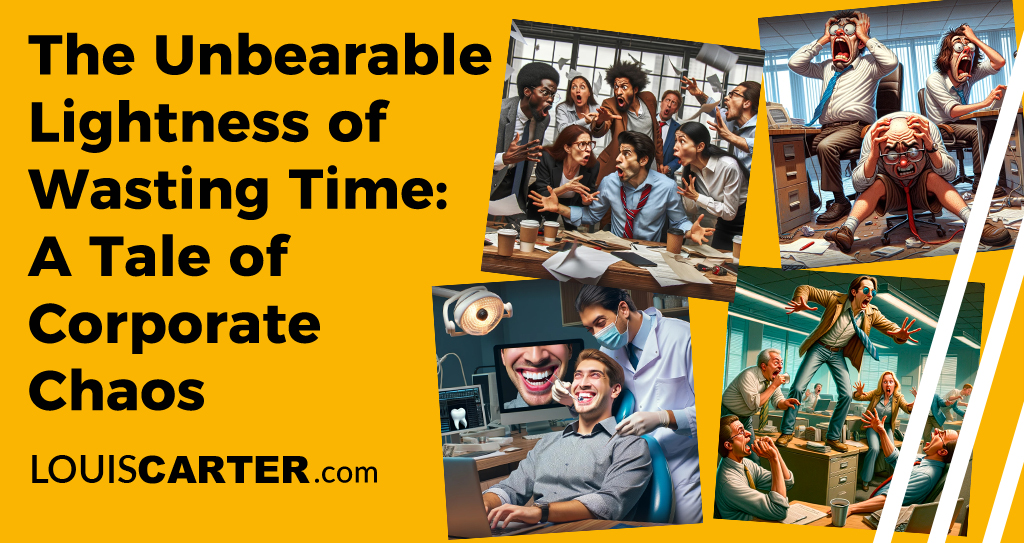
The Unbearable Lightness of Wasting Time: A Tale of Corporate Chaos

Once upon a time, in the not-so-far-away land of Corporate Chaos, there was a team so adept at wasting time they could’ve won an Olympic gold if procrastination was a sport. The team leader, let’s call him Alex, was a paragon of efficiency, a person who could schedule his coffee breaks down to the nanosecond. […]

The Unbearable Lightness of Wasting Time: A Tale of Corporate Chaos

Is your company a Most Loved Workplace®?

Join 1,000+ certified organizations worldwide

Once upon a time, in the not-so-far-away land of Corporate Chaos, there was a team so adept at wasting time they could’ve won an Olympic gold if procrastination was a sport. The team leader, let’s call him Alex, was a paragon of efficiency, a person who could schedule his coffee breaks down to the nanosecond. Yet, Alex’s team was an entirely different story.


Monday Madness: It begins with a ‘quick’ team meeting. As quick as gluing feathers on a tortoise. The meeting, meant to last 30 minutes, stretches into a two-hour saga filled with off-topic banter, a slideshow of irrelevant memes, and a debate over whether the office coffee is more ‘espresso’ or ‘depresso.’

The Unbearable Lightness of Wasting Time: A Tale of Corporate Chaos 4

Interruption Overload: Amidst this chaos, the symphony of Slack pings, incessant emails, and the occasional text message create a cacophony that could rival a rock concert. Alex, dreaming of a world where focus is not just a word in the dictionary, wonders how any real work happens.

Become a Most Loved Workplace®

Get certified and join the ranks of the world’s most respected workplaces. Build a culture your team will love.

Get Certified Now
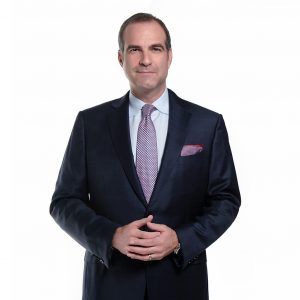
Louis Carter

Efficiency? What’s That?: Alex, whose personal values include efficiency, time management, and not watching his life tick away in meetings, feels like he’s in an alternate universe. He’d rather be anywhere else – maybe even in a dentist’s chair indulging in a root canal.

The Art of Wasting Time: Real Examples:

The Endless Email Thread: An email chain that started as a simple question and morphed into a novella, featuring everyone and their dog’s opinions but no actual answers.

The Meeting After the Meeting: Post-meeting discussions that last longer than the meeting itself, where the main decision made is when to have the next meeting.

The PowerPoint Purgatory: A presentation that was meant to be brief but turns into a marathon of endless slides, each more complex and less relevant than the last. The presenter seems to have a slide for every thought they’ve ever had, turning the meeting room into a room of glazed eyes and suppressed yawns.

The Coffee Machine Conundrum: A group of colleagues gather around the coffee machine, intending to have a quick chat. What starts as a discussion about weekend plans quickly spirals into a deep philosophical debate about the meaning of life, office politics, and the best type of coffee beans. Hours pass, and not a single work-related topic is discussed.

The Team-Building Trap: An all-day team-building exercise designed to boost morale and productivity. It includes activities like trust falls, sharing feelings, and constructing towers out of spaghetti and marshmallows. Ironically, the only thing the team builds is a collective frustration and a newfound talent for constructing pasta-based architecture.

The Road to Redemption: Best Practices

Prioritize Ruthlessly: Embrace the Eisenhower Box. If it’s not urgent and important, it’s not happening now.

Implement a ‘No Interruption’ Policy: Designate specific times for checking emails and Slack. Outside those times, they’re as off-limits as the last slice of pizza at a party.

Keep One-on-One Meetings Short and Sweet: Adopt the ‘7-minute meeting’ rule. If it can’t be said in 7 minutes, it’s probably not meeting-worthy.

Invite Only Essential Participants to Meetings: Ever been in a meeting where you said nothing? It’s not just because you are an introvert! People who must talk and provide a point of view should attend and provide brief answers, challenges, and support.

Keep meetings to 15-30 minutes MAX with a structured agendas. Know what you must get done, and who you must get feedback from. ONLY meet with a group when there is a structured must-do – otherwise you are meeting for meeting sake.

Automation is Your Friend: Automate the mundane. If a task makes you feel like a robot, there’s probably a robot that can do it.

Training: Sometimes, the team needs a little nudge (or a full-blown push) towards efficiency. Training sessions can be that push.

The Dire Consequences: A Word of Warning

Research and statistics paint a grim picture. Companies plagued with inefficiency often see a rise in employee burnout, a decline in job satisfaction, and a drop in productivity. It’s like a domino effect, but instead of dominoes, it’s your business goals toppling over. A study by The Corporate Executive Board found that employees who feel their time is wasted experience 12% more stress. This stress leads to a whopping 50% increase in health-related expenses. Imagine that, paying more just to stress out more!
In conclusion, Alex’s team is not just a humorous anecdote; it’s a cautionary tale. The key takeaway? Work smarter, not longer. The next time you’re in a marathon meeting, remember: Time is money, and unlike money, you can’t earn it back. So, make every second count, or you might just find yourself starring in the next tale of Corporate Chaos.

Ready to Build a Loved Workplace?

Take the first step — check your organization’s CertCheck score or apply for certification today.

Frequently Asked Questions

The biggest large employer culture challenges during a spinout or major transformation include: maintaining consistent culture signals across geographically dispersed teams, preventing a vacuum of identity when the legacy brand disappears, and preserving the informal trust networks that made the old organization function. Companies like Kyndryl, which spun out of IBM with 73,000 employees across 5 continents, show that culture infrastructure—systematic onboarding, explicit values, leadership accessibility—must be deliberately built, not assumed to transfer.

Maintaining consistent culture across global offices requires moving from aspirational values to operational infrastructure. The evidence from Kyndryl's Most Loved Workplace certification shows that when employees in Asia Pacific, Europe, North America, South America, and the UK independently describe their culture using the same language—'flexible work,' 'you are heard,' 'career and learning outcomes'—it is not coincidence. It is the result of systematic design: shared onboarding, visible leadership behavior, and consistent feedback loops that translate values into daily experience regardless of location or time zone.

A Most Loved Workplace® certification proves that a company's culture claims are independently verified through employee assessment—not self-reported surveys or marketing copy. The certification uses machine learning to analyze sentiment, emotion, and recurring themes across thousands of employee responses. When a large employer like Kyndryl earns this certification despite a major transformation, it demonstrates that their culture infrastructure survived and scaled through disruption, which is the hardest test any organizational culture can face.

About Louis Carter

Louis Carter is the Founder and CEO of Best Practice Institute (BPI) and Most Loved Workplaces®, a global research and certification organization helping companies build workplaces employees love. He is the creator of the Love of Workplace Index™, a research-based framework used to measure emotional connection between employees and their organizations and predict performance, retention, and culture outcomes. Carter is the author of more than a dozen books on leadership, talent development, and management best practices and has advised Fortune 500 companies, government agencies, and global organizations on leadership and culture transformation. He also hosted the Leader Show, a leadership interview series featured on Newsweek for five years, interviewing executives and leadership experts about leadership and the future of work. His work on workplace culture and leadership has been featured in major publications including Newsweek, The Wall Street Journal, and The Economist. Learn more in “How Louis Carter’s Most Loved Workplace Measures What Really Matters” (New York Business Now) and “Beyond Employer Branding: How Louis Carter Built the Global Standard for Workplace Culture” (NY Tech Media)

Get Certified?

Join 1,000+ Most Loved Workplaces®

In this Article

What's Next ?

Start your certification journey

Book a Call

Discuss your culture challenges with the Louis Carter team

Continue Reading