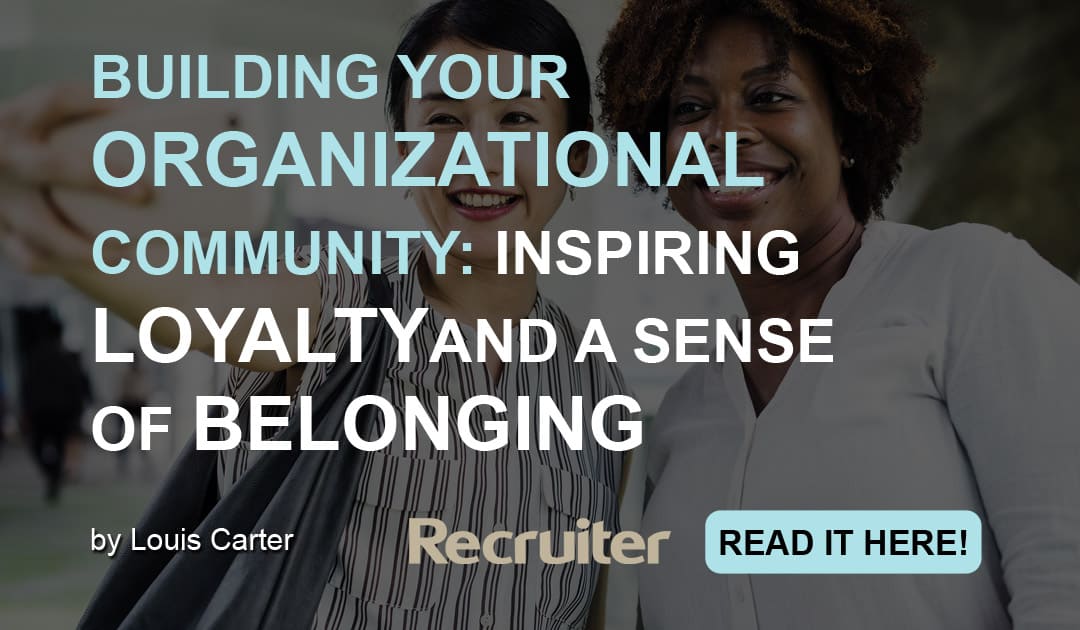
BUILDING YOUR ORGANIZATIONAL COMMUNITY: INSPIRING LOYALTY AND A SENSE OF BELONGING AMONG DIVERSE CONSTITUENTS (RECRUITER MAGAZINE)

A Wake-Up Call: The True Cost of Disconnected Teams I once sat across from a CEO drowning in high turnover. His frustration was palpable—new faces cycled in and out so often it felt like a revolving door. The expense of onboarding, the disruption to workflow, and the constant scramble to train replacements were slowly eroding […]

building your organizational community inspiring loyalty and a sense of belonging-among diverse constituents recruiter magazine

Is your company a Most Loved Workplace®?

Join 1,000+ certified organizations worldwide

A Wake-Up Call: The True Cost of Disconnected Teams

I once sat across from a CEO drowning in high turnover. His frustration was palpable—new faces cycled in and out so often it felt like a revolving door. The expense of onboarding, the disruption to workflow, and the constant scramble to train replacements were slowly eroding both profits and morale.

When I asked about their training methods, he beamed proudly. “We make sure every hire knows the ropes. They’re pros. We even sponsor certifications and grad school!” Impressive on paper, no doubt. Yet something vital was missing—the soul of the organization.

I pressed further: What about building a sense of belonging? A true team spirit?
His puzzled look said it all. In his world, professionalism was enough. Coddling? Absolutely not.
So, I asked: Are Navy SEALs “coddled?”
He chuckled and admitted, of course not—they are, after all, elite.

Exactly. And their secret weapon? Unit cohesion—the unbreakable bond that makes the impossible possible. In business, we call that emotional connectedness, and without it, even the best-trained team will eventually falter.

The Hidden Fallout: When Employees Feel Like Strangers

You don’t have to look far to see the wreckage emotional disconnect leaves behind. Corporate history is filled with mergers that looked golden on paper but collapsed in real life. Remember DaimlerChrysler? Brilliant minds, catastrophic culture clash.

And it happens in smaller ways too—Julie from accounting, clashing with Bob’s arrogance. Raman, sidelined for honoring a sacred day. Susan, made to feel like a burden just for needing maternity leave.

These small fractures, if left unattended, metastasize. What follows? Lower productivity, plummeting loyalty, and a toxic culture that repels top talent instead of attracting it.

Connection Isn’t Accidental: It’s a Deliberate, Strategic Effort

I told that CEO what I tell every leader: You cannot leave organizational cohesion to chance.

A job title and a paycheck do not a family make. Without intentional efforts to bridge differences, to celebrate diversity, and to foster trust, employees remain isolated islands, rowing in different directions—or worse, jumping ship.

A strong team doesn’t materialize magically. It is crafted through careful planning, daily actions, and, above all, leadership committed to human connection.

Five Pillars to Build Emotional Connectedness Across Your Organization

Transforming a fragmented workplace into a unified force means doing more than offering perks. It requires rewiring the culture itself. Here’s where to start:

  • Collaboration Without Ego: True teamwork isn’t about grandstanding—it’s about collective wins. When egos step aside, agility and innovation take center stage.
  • Shared Ethics and Values: It’s not enough to post a mission statement on the wall. Employees must live and breathe the organization’s values—and see leadership doing the same.
  • A Culture of Respect: Without trust and empathy, creativity dies. A workplace grounded in mutual respect nurtures the bold ideas that fuel lasting success.
  • A Positive Vision for Tomorrow: People crave purpose. When your employees see how their efforts contribute to a brighter future, engagement skyrockets.
  • Achievement-Driven Community: Focus on milestones and progress. Celebrate wins together and make success a shared journey, not a lonely race.

Transformative Culture: Beyond Surface-Level Perks

Let’s be clear: handing out free snacks or hosting fancy retreats won’t fix a culture of disconnection.

To foster true emotional connectedness, you must transform the company from within. This means investing in real strategies like leadership development, executive coaching, stakeholder feedback, and regular cultural audits. It’s about listening—listening—to the heartbeat of your people.

When emotional connectedness thrives, everything else follows: lower turnover, higher engagement, stronger performance, and a team that’s willing to go the extra mile not because they have to, but because they want to.

The original article is available here.

Ready to Build a Loved Workplace?

Take the first step — check your organization’s CertCheck score or apply for certification today.

Frequently Asked Questions

The biggest large employer culture challenges during a spinout or major transformation include: maintaining consistent culture signals across geographically dispersed teams, preventing a vacuum of identity when the legacy brand disappears, and preserving the informal trust networks that made the old organization function. Companies like Kyndryl, which spun out of IBM with 73,000 employees across 5 continents, show that culture infrastructure—systematic onboarding, explicit values, leadership accessibility—must be deliberately built, not assumed to transfer.

Maintaining consistent culture across global offices requires moving from aspirational values to operational infrastructure. The evidence from Kyndryl's Most Loved Workplace certification shows that when employees in Asia Pacific, Europe, North America, South America, and the UK independently describe their culture using the same language—'flexible work,' 'you are heard,' 'career and learning outcomes'—it is not coincidence. It is the result of systematic design: shared onboarding, visible leadership behavior, and consistent feedback loops that translate values into daily experience regardless of location or time zone.

A Most Loved Workplace® certification proves that a company's culture claims are independently verified through employee assessment—not self-reported surveys or marketing copy. The certification uses machine learning to analyze sentiment, emotion, and recurring themes across thousands of employee responses. When a large employer like Kyndryl earns this certification despite a major transformation, it demonstrates that their culture infrastructure survived and scaled through disruption, which is the hardest test any organizational culture can face.

About Louis Carter

Louis Carter is the Founder and CEO of Best Practice Institute (BPI) and Most Loved Workplaces®, a global research and certification organization helping companies build workplaces employees love. He is the creator of the Love of Workplace Index™, a research-based framework used to measure emotional connection between employees and their organizations and predict performance, retention, and culture outcomes. Carter is the author of more than a dozen books on leadership, talent development, and management best practices and has advised Fortune 500 companies, government agencies, and global organizations on leadership and culture transformation. He also hosted the Leader Show, a leadership interview series featured on Newsweek for five years, interviewing executives and leadership experts about leadership and the future of work. His work on workplace culture and leadership has been featured in major publications including Newsweek, The Wall Street Journal, and The Economist. Learn more in “How Louis Carter’s Most Loved Workplace Measures What Really Matters” (New York Business Now) and “Beyond Employer Branding: How Louis Carter Built the Global Standard for Workplace Culture” (NY Tech Media)

Get Certified?

Join 1,000+ Most Loved Workplaces®

In this Article

What's Next ?

Start your certification journey

Book a Call

Discuss your culture challenges with the Louis Carter team

Continue Reading

The Ownership Mindset: The Science of Pride in Your Work | Louis Carter

Own It. All of It.