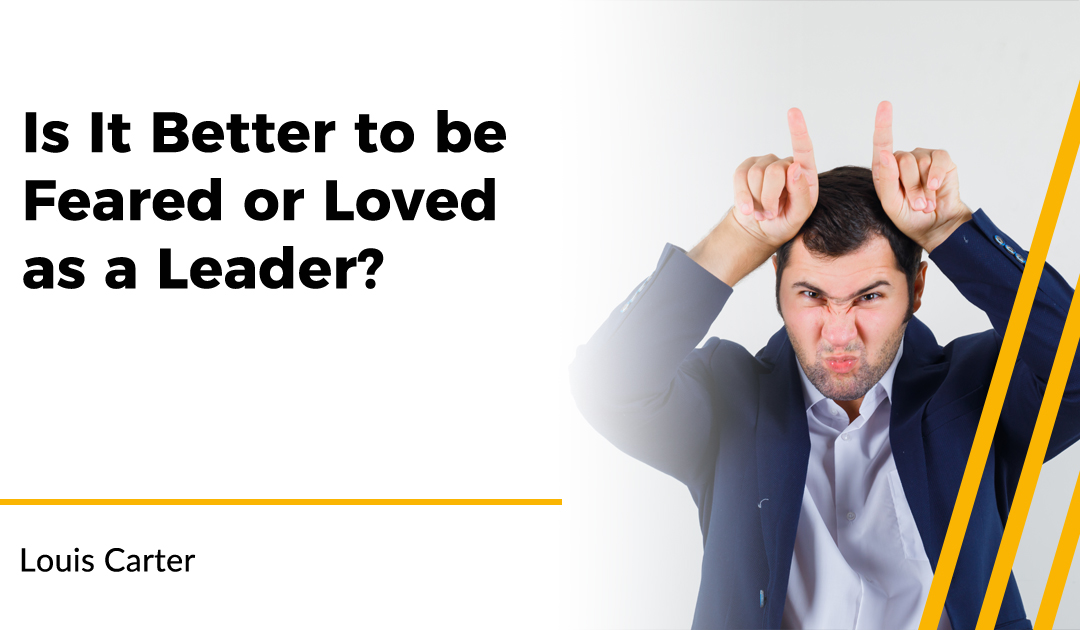
One of the age-old questions in leadership is whether it is better to be feared or loved by your followers. To gain insights into this question, I surveyed my LinkedIn followers to understand people’s perceptions of leadership and the emotions they believe are most desirable in a leader.
The survey results and valuable respondent comments shed light on this fascinating topic.
I asked, “Is it better to be feared or loved as a leader?” And then, I provided four options: It is better to be feared, better to be loved, and Better to be both feared or loved and added an opportunity to provide additional comments.
The findings revealed a clear preference among the respondents, with 62% choosing loved as the desired emotion in a leader. Only 3% opted for being feared, while 26% believed a combination of both was ideal. A minority of 9% offered other comments, expressing diverse viewpoints.
One comment aptly summarized the complexity of leadership interactions and the spectrum of respect. The respondent noted that leaders could be respected and loved or respected and feared, highlighting that leadership dynamics are fluid and depend on the situation at hand. This perspective resonates with the understanding that leadership is not a one-size-fits-all concept but a nuanced interplay of emotions and actions.
Another viewpoint emphasized the importance of love in leadership and its impact on creating sustainable growth cultures. The comment highlighted that accountability should stem from choice, not force, and being feared leads to coercive measures, which hinder the ability to foster a thriving organizational culture. This sentiment suggests that leaders prioritizing love and cultivating positive relationships with their employees are more likely to create an environment conducive to long-term success.
Contrasting opinions emerged from respondents with experiences suggesting that love may not always be a reliable factor in employment. One comment from nearly 30 years of experience contended that employers view employees as assets. The emphasis was building solid work habits and a reputable professional track record rather than seeking love or affection from colleagues or superiors. This perspective highlights the pragmatic reality that organizations primarily value their employees’ contributions and bottom-line impact.
Furthermore, the survey and comments shed light on the detrimental effects of fear-based leadership. A respondent with personal experience working under leaders who sought to be feared characterized them as insecure individuals with egomaniac tendencies and inferiority complexes. The observation extended to how these leaders’ businesses suffered as a result. This sentiment underscores the potential negative consequences of instilling fear rather than engendering respect and trust among followers.
Become a Most Loved Workplace®
Get certified and join the ranks of the world’s most respected workplaces. Build a culture your team will love.
Get Certified Now
Whether fear or love is preferable as a leader also intersects with the type of organization or society in which leadership operates. One respondent aptly pointed out that leaders in autocratic regimes or dictatorships may seek to be feared to maintain control and accomplish their objectives. In contrast, in democratic governments, being loved by the populace becomes crucial for re-election and achieving objectives. This observation reflects the dynamics and power structures of various organizations and societies.
While the survey results favor being loved as a leader, several comments emphasized that the ultimate goal should be to earn respect. Respect, grounded in fairness, competence, and integrity, is a foundational attribute that inspires followership and loyalty. Respect encompasses elements of love, fear, trust, and admiration. Respondents valued leaders who demonstrated trust, respect and support consistently.
In conclusion, the survey findings and accompanying comments provide valuable insights into whether being feared or loved as a leader is better. While most respondents favor being loved, the nuances of leadership become apparent through the comments provided. Leadership interactions are multifaceted, and the desired emotions from leaders can vary depending on the context. Ultimately, earning respect and demonstrating trust, support, and fairness are crucial for effective leadership. Understanding these dynamics can help leaders navigate the complexities of their roles and build solid and engaged teams that contribute to organizational success.