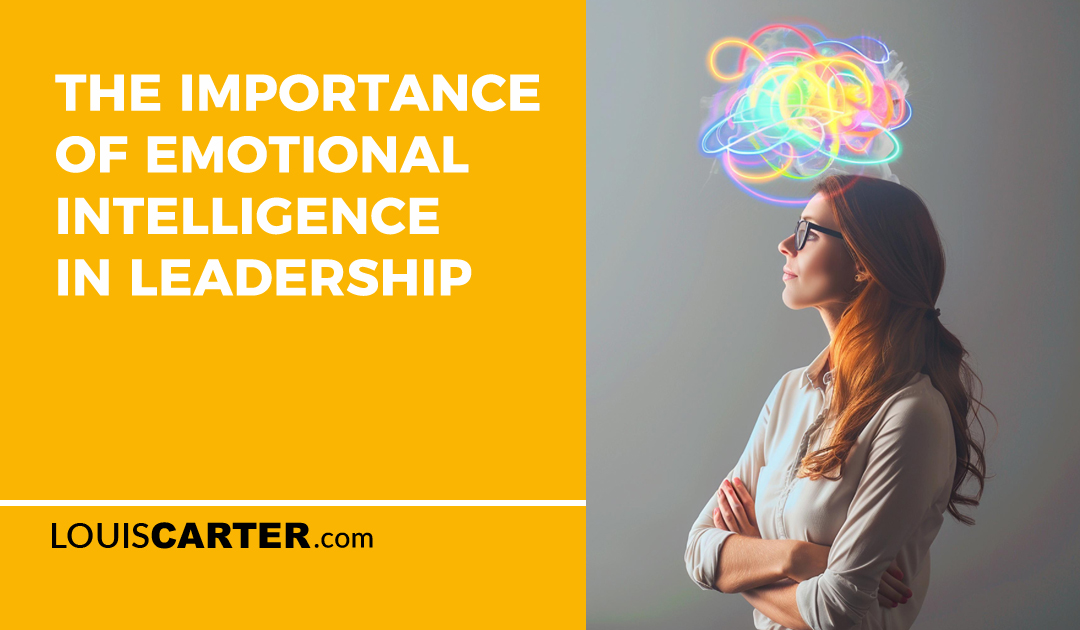
Effective leadership is no longer just about having the relevant technical skills and industry knowledge—it also requires emotional intelligence (EI). Leaders with high EI are better placed to deal with complex interpersonal relations within their organization, foster a positive workplace culture, and drive team performance.
This article examines emotional intelligence in leadership in depth to highlight how it ensures effective communication and team cohesion.
Understanding Emotional Intelligence
An emotionally intelligent leader can recognize, understand, and manage their emotions and those around them. They are self-aware, self-regulated, socially aware, and can manage relationships effectively. Emotionally intelligent leaders use emotional information to guide thinking and behavior; they are adept at perceiving emotions and can manage them to adapt to changing environments.
Enhancing Leadership Development through Emotional Intelligence
There are several ways in which having emotional intelligence can help leaders improve their roles and grow in them. These include the following:
1. Effective Communication
Effective communication is a cornerstone of successful leadership. Leaders with high emotional intelligence excel in both verbal and nonverbal communication. They can read their team members’ emotional cues and respond appropriately, ensuring that their message is received as intended. This level of awareness and adaptability leads to more meaningful and productive interactions.
• Active Listening: Emotionally intelligent leaders prioritize active listening. They focus on understanding the speaker’s perspective and emotions rather than just waiting for their speech. It fosters an environment of respect and trust.
• Clear and Constructive Feedback: Providing feedback is a critical leadership function. Leaders with emotional intelligence deliver constructive feedback that motivates and encourages improvement rather than demoralizing team members.
2. Empathy

Empathy, the ability to understand and share the feelings of others, is a vital trait for leaders. Empathetic leaders can connect with their team on a deeper level, fostering a supportive and inclusive work environment.
• Building Trust: Empathy builds trust between leaders and their teams. Employees who feel understood and valued are more likely to be engaged and committed to their work.
• Conflict Resolution: Leaders with empathy are skilled at resolving conflicts. They can sensitively navigate emotionally charged situations, ensuring that all parties feel heard and respected.
3. Team Cohesion
Team cohesion refers to the degree to which team members work together harmoniously and effectively. Leaders with high emotional intelligence play a crucial role in fostering team cohesion.
• Creating a Positive Work Environment: Emotionally intelligent leaders can recognize and address the emotional needs of their team to cultivate a positive work environment. It includes celebrating successes, providing support during challenges, and promoting a culture of collaboration.
• Enhancing Collaboration: Leaders with high EI can facilitate better collaboration by understanding and managing the diverse emotional dynamics within a team. They can identify and mitigate potential sources of tension, ensuring that team members work together towards common goals.
Become a Most Loved Workplace®
Get certified and join the ranks of the world’s most respected workplaces. Build a culture your team will love.
Get Certified Now
4. Self-awareness and Self-Regulation
Self-awareness and self-regulation are foundational components of emotional intelligence. Self-aware leaders understand their emotional triggers and how their emotions affect their behavior and decision-making.
• Reflective Practices: Self-aware leaders engage in reflective practices, such as journaling or mindfulness, to better understand their emotional responses and improve their leadership skills.
• Stress Management: Self-regulation enables leaders to manage stress effectively. By staying calm and composed under pressure, they set a positive example for their team and maintain a stable work environment.
5. Motivating and Inspiring Teams
Leaders with high emotional intelligence can motivate and inspire their teams. They understand what drives each team member and use this knowledge to foster motivation and engagement.
• Personalized Recognition: Emotionally intelligent leaders provide personalized recognition and praise, making each team member feel valued for their unique contributions.
• Visionary Leadership: These leaders can articulate a compelling vision that resonates emotionally with their team, inspiring them to work towards shared goals.
The Business Impact of Emotional Intelligence
The benefits of emotional intelligence in leadership extend beyond individual team dynamics. Organizations led by emotionally intelligent leaders often experience higher employee satisfaction, lower turnover rates, and improved overall performance. Emotional intelligence enhances leadership effectiveness, leading to better decision-making, stronger relationships, and a more resilient organizational culture.
Final Word
Emotional intelligence is a crucial element of effective leadership. By fostering effective communication, empathy, and team cohesion, emotionally intelligent leaders can create a thriving workplace culture and drive organizational success. Investing in emotional intelligence development for leaders is not just beneficial but essential in today’s business landscape.
To learn more about how emotional intelligence can transform your leadership approach and improve your organization’s performance, explore Louis Carter for valuable resources to help you start your journey toward becoming a more emotionally intelligent leader.