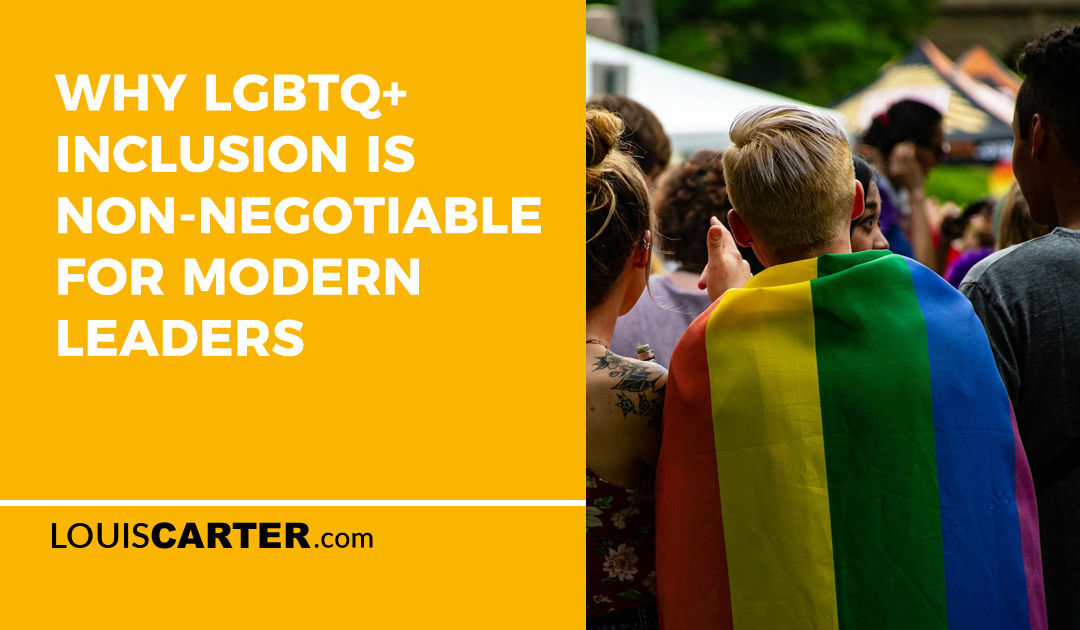
Research consistently links inclusive leadership to organizational strength. Studies from Deloitte and Harvard Business Review indicate that authentic support for LGBTQ+ inclusion—beyond policy—drives measurable outcomes.
There is a marked difference in organizational stance and outcomes when leaders move from performative gestures to true cultural transformation. When executives model accountability, equity becomes embedded in culture, increasing trust and performance.
The Business Case Is Built on Data and Accountability
Research shows that inclusion isn’t a social buzzword. It’s a leadership competency, and leaders must own it.
According to Deloitte, inclusive leadership requires six signature traits, including intentional accountability and courage to speak up. Leaders with those traits often support diverse individuals and drive creativity, retention, and financial performance.Harvard Business Review similarly emphasizes that employers must use inclusive language, imagery, and benefits to support equity, especially for LGBTQ+ staff. That’s not optional. That’s leadership by design.
Want Help? Check Out My Inclusive Leadership Coaching Program
Leading by Example: MLW CEOs Who Hold Themselves Accountable
MLW-certified companies like Automattic, Synopsys Inc., and TravelPerk show peak accountability through structured programs: LGBTQIA+ communities, reverse-mentoring, and published inclusion metrics.
Automattic, for example, has an official LGBTQIA+ community and invests in annual Pride partnerships. Their CEO meets with these groups, listens, and acts. That’s leadership accountability.
Synopsys Inc., another MLW-certified firm, runs reverse-mentoring programs that include LGBTQ+ voices in leadership conversations. When executives show up and seek feedback, they foster culture transformation rooted in inclusion, not just compliance.
TravelPerk also ranks among MLW leaders in LGBTQ+ inclusion for strong inclusion policies and ally programs. Their leadership teams publish regular progress updates and continue to raise internal standards around inclusion. That’s inclusive leadership in real time.
These practices are in line with Deloitte’s finding that embedding inclusion in operations drives sustained culture change.

See How My Leadership Assessment Survey Can Help You Identify Gaps
The Risk of Half-Hearted Inclusion
GLAAD research proves that meaningful LGBTQ+ representation in media boosts societal acceptance. The same holds in business. If staff only see surface-level signals, they lose faith in leadership. That impacts retention, productivity, and engagement.
This also means that token gestures don’t build real culture transformation. People can spot it, and may react with skepticism; which in turn damages trust. It might work in the short term, but over the course of years (or even months), that façade may break down. And that’s when things will start getting even worse.
Leaders must go beyond logos. They must embed inclusion into daily decisions. Ernst & Young, for example, identifies global best practices for LGBTQ+ inclusion:
- Establish reverse mentoring programs
- Develop inclusive employee networks
- Use technology to ensure equality
- Tie leadership reviews directly to inclusion KPIs
They highlight that social media and ERGs flag issues early and connect teams globally.
These actions require leadership accountability to succeed. Leaders need to sponsor ERGs and address inclusion in performance metrics.
Become a Most Loved Workplace®
Get certified and join the ranks of the world’s most respected workplaces. Build a culture your team will love.
Get Certified Now
If this shift in leadership mindset speaks to you, you’ll want to stay connected.
Each month in The Work Ahead, I break down what’s really changing in leadership, emotional connection, and workplace culture—alongside the AI and tech shaping it all. It’s for execs who are leading transformation and want to stay one step ahead. Subscribe now—it’s free.
Inclusion Without Limits
Inclusive leadership isn’t limited to Pride Month. It’s a continuous effort, year in and year out. Automattic’s ongoing programs, such as funding scholarships for queer technologists, prove it. That sustained effort defines culture transformation and signals to every employee that inclusion matters every day, in every decision, at every level.
It is important to note, though, that most great leaders genuinely care about their teams. But caring isn’t enough. Culture transformation requires leadership accountability and asking tough questions. It requires transparent progress and requires showing up for Pride events, ERG meetings, mentoring sessions, and tough conversations.
Yes, it means changing habits, but the grind is usually worth it. Teams perform better and know that their work is being appreciated. They have an active interest in the work, and therefore, the results are positive as well. In turn, companies thrive.
To Set Up Systems That Hold Leaders Accountable, Check Out My Inclusive Leadership Articles
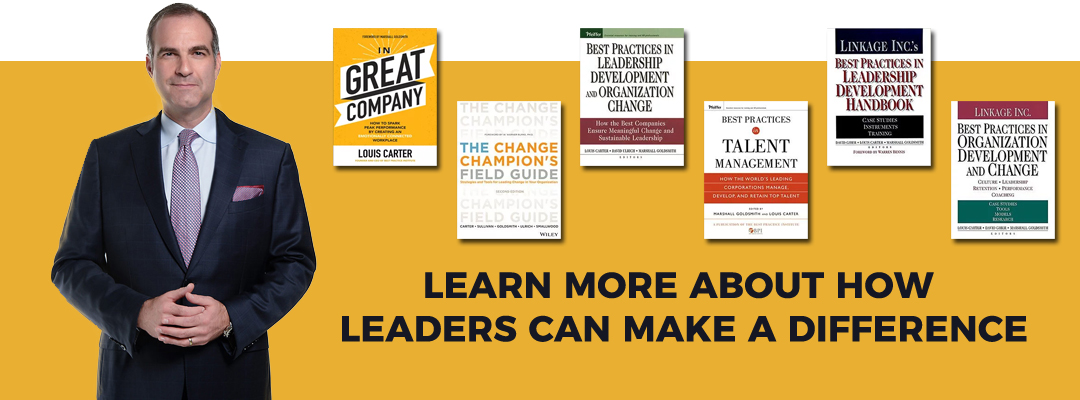
Learn More About How Leaders Can Make A Difference
Final Word
LGBTQ+ inclusion is non-negotiable, not because it’s trending, but because it reflects what modern leadership must be. Leaders who embrace it gain trust, drive performance, and build teams ready for the future.
We’ve seen it at Automattic, Synopsys, and through global best practices cited by EY, Deloitte, and HBR. These are not theoretical changes. They’re real, proven shifts that reshape culture.
Your next step is a choice. You can stand by and watch, or you can lead. Choose to hold yourself accountable. Choose to champion inclusive leadership. Choose a culture transformation initiative that lasts.
If you’re ready, I’m here to help. See how my executive coaching guides you through that transformation, step by step, with clarity and confidence. Let’s take the first step towards a more inclusive world, together.ransformation, step by step, with clarity and confidence. Let’s take the first step towards a more inclusive world, together.